A guide for parents, caregivers, and school professionals
Written by Dr. Antonia Repollet, Clinical Psychologist & Certified School Psychologist
Tummy troubles in children are more common than many realize, especially when it comes to gastrointestinal conditions that aren’t linked to a clear medical cause. Disorders of Gut-Brain Interaction (DGBIs)—such as irritable bowel syndrome (IBS), functional abdominal pain, and functional dyspepsia—are among the most frequent causes of chronic abdominal symptoms in kids (Nurko, n.d.). Other GI conditions like food intolerances, allergies, and inflammatory bowel diseases (IBD) add further complexity to a child’s daily life (Crohn’s & Colitis Foundation, n.d.).
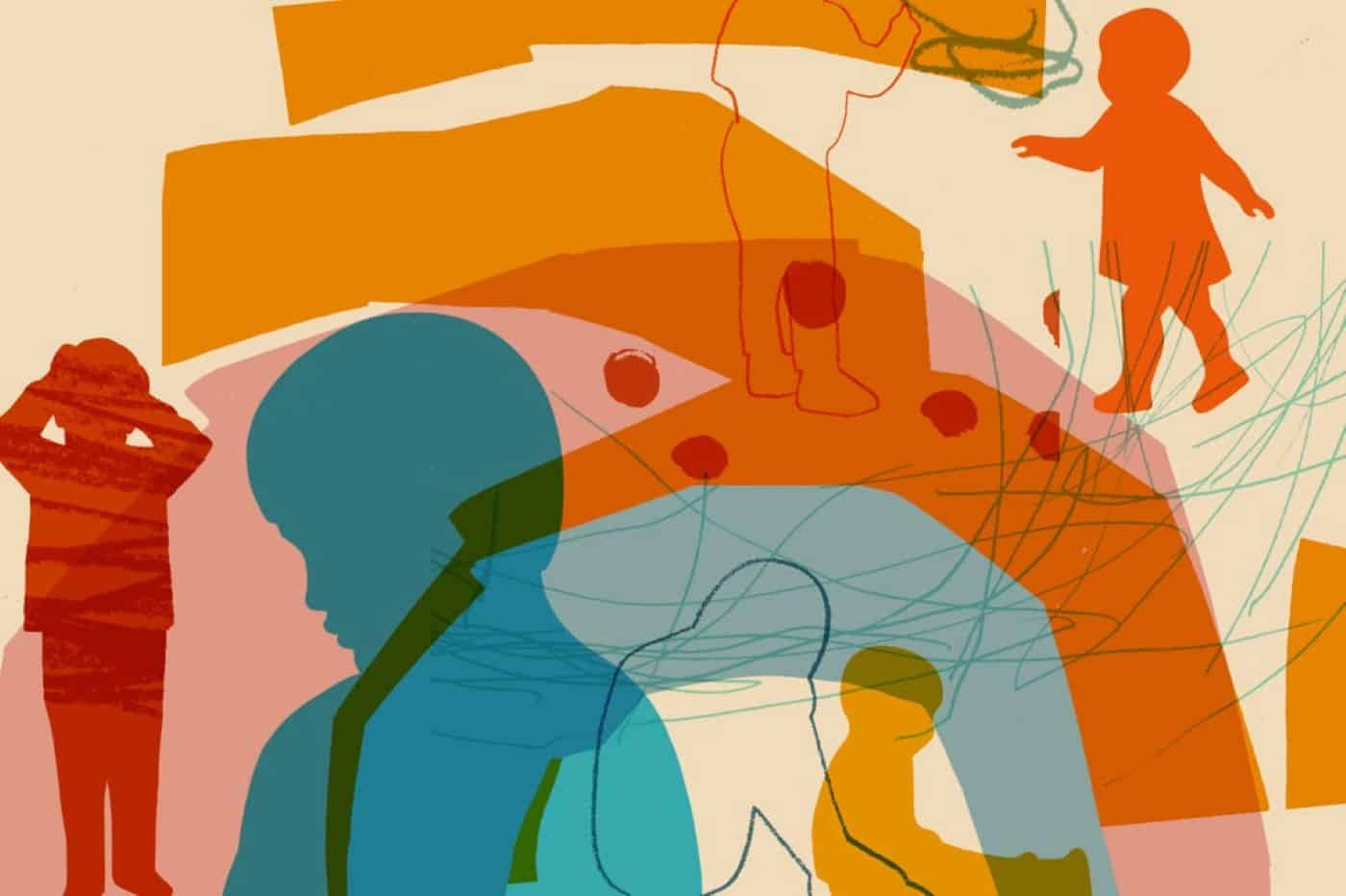
However, these challenges extend beyond physical health. Many children with GI difficulties struggle with anxiety, isolation, and disruptions to school and social activities (Donovan et al., 2019; Harvard Health Publishing, 2023). Because of the gut-brain connection, stress can worsen GI symptoms, creating a frustrating cycle (Harvard Health Publishing, 2023).
For children and their caregivers, navigating unpredictable symptoms in public and peer settings can feel overwhelming, but with the right supports, kids can thrive.
The Social Toll of GI Conditions
Children with GI difficulties may face unique hardships that make social interactions more complicated. The fear of urgently needing a bathroom or experiencing an embarrassing accident can lead to avoidance of activities like recess, playdates, and even classroom participation (Nightingale & Talley, 2013).Food-related restrictions and sensitivities add another layer of stress, especially during lunchtime or social events (Del Principe, 2024).
The emotional toll can be heavy. Kids may feel “different,” struggle with self-esteem, or worry about being seen as dramatic or unreliable by peers. Anxiety about attending school or social events is common (Al-Beltagi et al., 2025; Food Allergy Research & Education [FARE], 2025). For some, this can evolve into chronic absenteeism or school refusal (UVA Health Newsroom, 2025).
Thriving at School: Recess, Lunch, & Beyond
School can be a challenging environment for children with GI issues, but it can also be a source of structure and support. Collaborating with school nurses, teachers, psychologists, and counselors helps ensure that children are not only safe but also feel seen and understood.
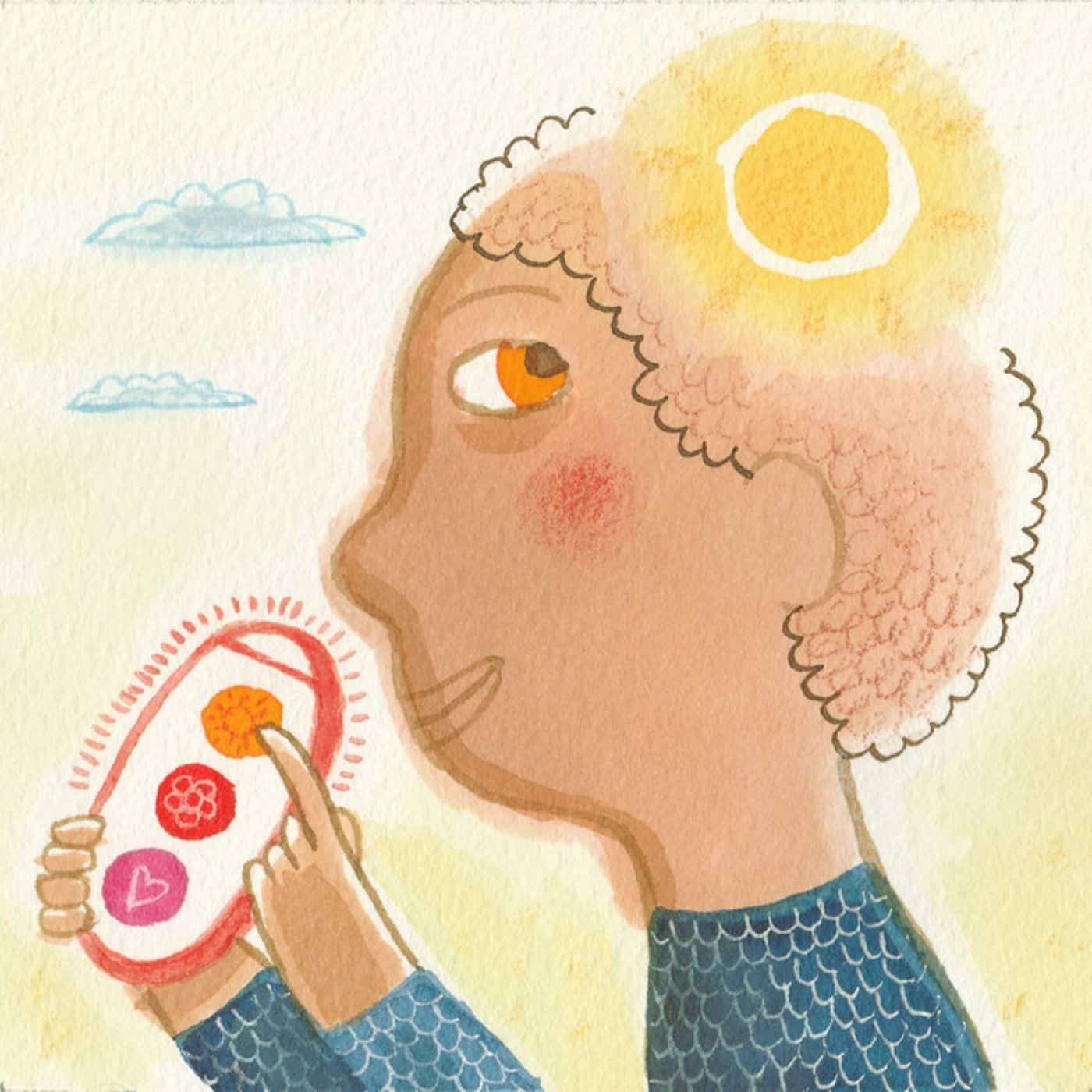
Many schools offer informal support structures such as school-based intervention teams, which create plans tailored to a student’s unique health and learning needs. Empowering kids with simple ways to request help, such as a hand signal or special bathroom pass, can give them agency and reduce anxiety.
Lunch and recess require planning, especially when energy levels fluctuate or food sensitivities are involved. Talking with teachers in advance about alternate snack options or seating arrangements can help the child feel more at ease (Center for Pediatric Gastroenterology and Nutrition, n.d.).
Social Events Outside of School: Parties, Sleepovers, Playdates
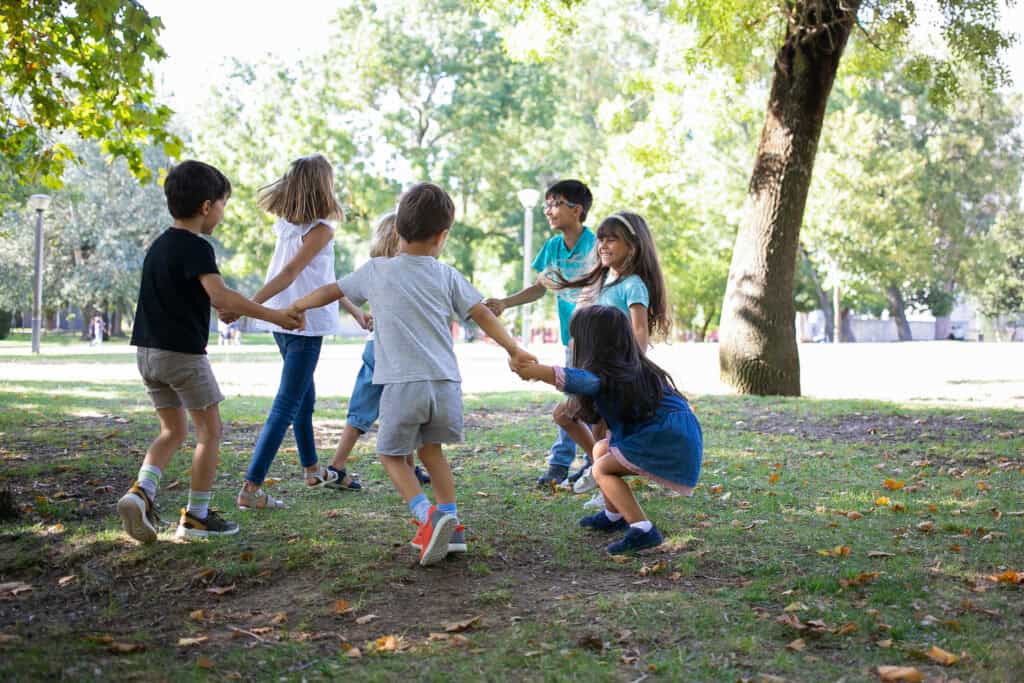
Unstructured social time—like birthday parties or sleepovers—can be especially tricky. Parents may worry about “hovering” or being overprotective, while kids may feel left out or overwhelmed. Balancing independence and support is key.
Planning ahead makes a difference. Caregivers can pack safe foods, coordinate bathroom access, and talk with hosts to ensure accommodations are in place (Crohn’s & Colitis Foundation, n.d.; Del Principe, 2024). Role-playing with children about what to do and say if they feel unwell or uncomfortable gives them tools to manage situations calmly.
Sometimes, it’s okay to set boundaries, like attending only part of an event. The overall goal is to encourage participation without unnecessary pressures.
Building Confidence
True confidence isn’t about avoiding challenges—it’s built through having the tools to navigate them. Teaching kids how to clearly express their needs, respond to questions from peers, and advocate for themselves lays the foundation for long-term resilience (Hommel et al., 2010).
Help children understand that they don’t need to feel perfect to enjoy meaningful time with others. Gently guide them to notice their strengths—like creativity, kindness, or a great sense of humor—and encourage social connections that feel safe, enjoyable, and authentic to who they are.
When to Seek More Support
It’s essential to stay attuned to signs that a child may benefit from additional support. If they start refusing school, avoiding social activities, or showing increased anxiety about sports or classroom presentations, a more formal plan may be needed (McDougall et al., 2019; UVA Health, 2025).
As noted earlier, many schools have support systems in place, like Student Support Teams (SST), that work to identify students’ needs and connect them with tailored interventions. These teams develop plans that help address a wide range of concerns, including learning difficulties, poor attendance, behavioral or social-emotional challenges, and health issues (Charles County Public Schools, n.d.). Because school support teams are part of a school’s general education support system, the interventions they recommend are usually informal, flexible, and meant to be short-term responses to help students get back on track.
A 504 Plan is a more formal document that outlines the specific supports and accommodations a school will provide to help a student with a documented disability or condition (e.g., IBS) access learning and participate in the general education setting (Rawe, 2024). These accommodations may include extra bathroom breaks, food and beverage flexibility, or access to a private space to rest when needed.
Outside of school, working with a gut-brain specialist in psychotherapy can help children better understand and manage their symptoms. These clinicians bridge the connection between physical and emotional health, using tools like clinical hypnosis and condition-specific cognitive behavioral therapy (CBT) to ease discomfort and build confidence (Brady et al., 2020; Stein et al., 2025).
How GI Therapists Can Help
Having a GI condition doesn’t have to mean missing out. With preparation, partnership, and encouragement, children can participate fully in social and academic life.
A GI condition doesn’t have to hold a child back. With thoughtful preparation, strong partnerships, and consistent encouragement, children can stay engaged and thrive both socially and academically.
Gut-brain therapists partner with families to interrupt the cycle between stress and physical symptoms, helping children feel more in control and supported. work with families to break the cycle of stress and symptoms. By understanding the child’s experiences and creating personalized strategies, they help families shift from survival mode to empowered living (Bourdeau, 2013; Stein et al., 2025).
Recognize small victories, celebrate each step forward, and keep advocating. Your support has the power to create meaningful change.
References
Al-Beltagi, M., Saeed, N. K., Bediwy, A. S., & Elbeltagi, R. (2025). Breaking the cycle: Psychological and social dimensions of pediatric functional gastrointestinal disorders. World Journal of Clinical Pediatrics, 14(2). https://doi.org/10.5409/wjcp.v14.i2.103323
Brady, P. W., Giambra, B. K., Sherman, S. N., Clohessy, C., Loechtenfeldt, A. M., Walsh, K. E., Shah, S. S., & Lannon, C. (2020). The Parent Role in Advocating for a Deteriorating Child: A Qualitative Study. Hospital pediatrics, 10(9), 728–742. https://doi.org/10.1542/hpeds.2020-0065
Bourdeau, T. L. (2013). When your child is diagnosed with chronic illness. American Psychological Association. https://www.apa.org/topics/chronic-illness/child
Del Principe, A. (2024). Managing food allergies at school. Kids with Food Allergies. https://kidswithfoodallergies.org/living-with-food-allergies/planning-for-school/
Donovan, E., Martin, S. R., Lung, K., Evans, S., Seidman, L. C., Cousineau, T. M., Cook, E., & Zeltzer, L. K. (2019). Pediatric Irritable Bowel Syndrome: Perspectives on Pain and Adolescent Social Functioning. Pain medicine (Malden, Mass.), 20(2), 213–222. https://doi.org/10.1093/pm/pny056
Essential tips for helping your child handle chronic gi problems at school. Center for Pediatric Gastroenterology and Nutrition. (n.d.). https://centerforpedsgi.com/essential-tips-for-helping-your-child-handle-chronic-gi-problems-at-school/
Food Allergy Research & Education [FARE]. (n.d.). Prevent and recognize bullying. FoodAllergy. https://www.foodallergy.org/resources/prevent-and-recognize-bullying
Hommel, K. A., McGraw, K. L., Ammerman, R. T., Heubi, J. E., Hansen, M., Dunlap, E., & Beidel, D. C. (2010). Psychosocial functioning in children and adolescents with gastrointestinal complaints and disorders. Journal of clinical psychology in medical settings, 17(2), 159–166. https://doi.org/10.1007/s10880-010-9193-4
McDougall, J., DeWit, D. J., & Wright, F. V. (2019). Social anxiety symptoms among youth with chronic health conditions: trajectories and related factors. Disability and Rehabilitation, 42(23), 3293–3305. https://doi.org/10.1080/09638288.2019.1590742
Nightingale, S. & Talley N. J. (2013). Irritable Bowel Syndrome in Children: Education, Reassurance, and Management. Consultant360, 12(6).
Nurko, S. (n.d.). Disorders of gut-brain interaction in pediatrics: A few observations. Rome Foundation. https://theromefoundation.org/dgbi-pediatrics/
Planning with your child. Crohn’s & Colitis Foundation. (n.d.). https://www.crohnscolitisfoundation.org/patientandcaregivers/youth-parent-resources/kids/importance-of-planning
Rawe, J. (2024, May 18). The difference between IEPS and 504 plans. Understood. https://www.understood.org/en/articles/the-difference-between-ieps-and-504-plans?utm_medium=cpc&utm_source=google-search-grant&utm_campaign=g_en_legal_504_iep_lj&utm_content=fam+lj+legal+504+meaning+nb&utm_term=what+is+a+504+plan_exact+match&gad_source=1&gad_campaignid=11422660996&gbraid=0AAAAADo4WqcZDsiOn45teRSk-4_DCsQDu&gclid=CjwKCAjwi-DBBhA5EiwAXOHsGV8FdwX7r7ka-JyuolrCU1-sL7kRi_SGnqYJOPyxRGX0R2s10f6XSBoC2hgQAvD_BwE
School absences could help ID kids with chronic GI disorders. UVA Health Newsroom. (2025, March 4). https://newsroom.uvahealth.com/2025/03/04/school-absences-could-help-id-kids-with-chronic-gi-disorders/
Stein, K., Howarth, L., & Zucker, N. L. (2025). Mind–body treatments for children with functional gastrointestinal disorders. BJPsych Advances, 1–10. doi:10.1192/bja.2024.76
Student Support Teams. Charles County Public Schools. (n.d.). https://www.ccboe.com/departments/student-services/student-support/student-support-teams
The gut-brain connection. Harvard Health Publishing. (2023, July 18). https://www.health.harvard.edu/diseases-and-conditions/the-gut-brain-connection